New customers - Open an account Existing customers - Register now

10/3/2026
A supply-demand imbalance supports the metal’s outlook, even amid growth risks.
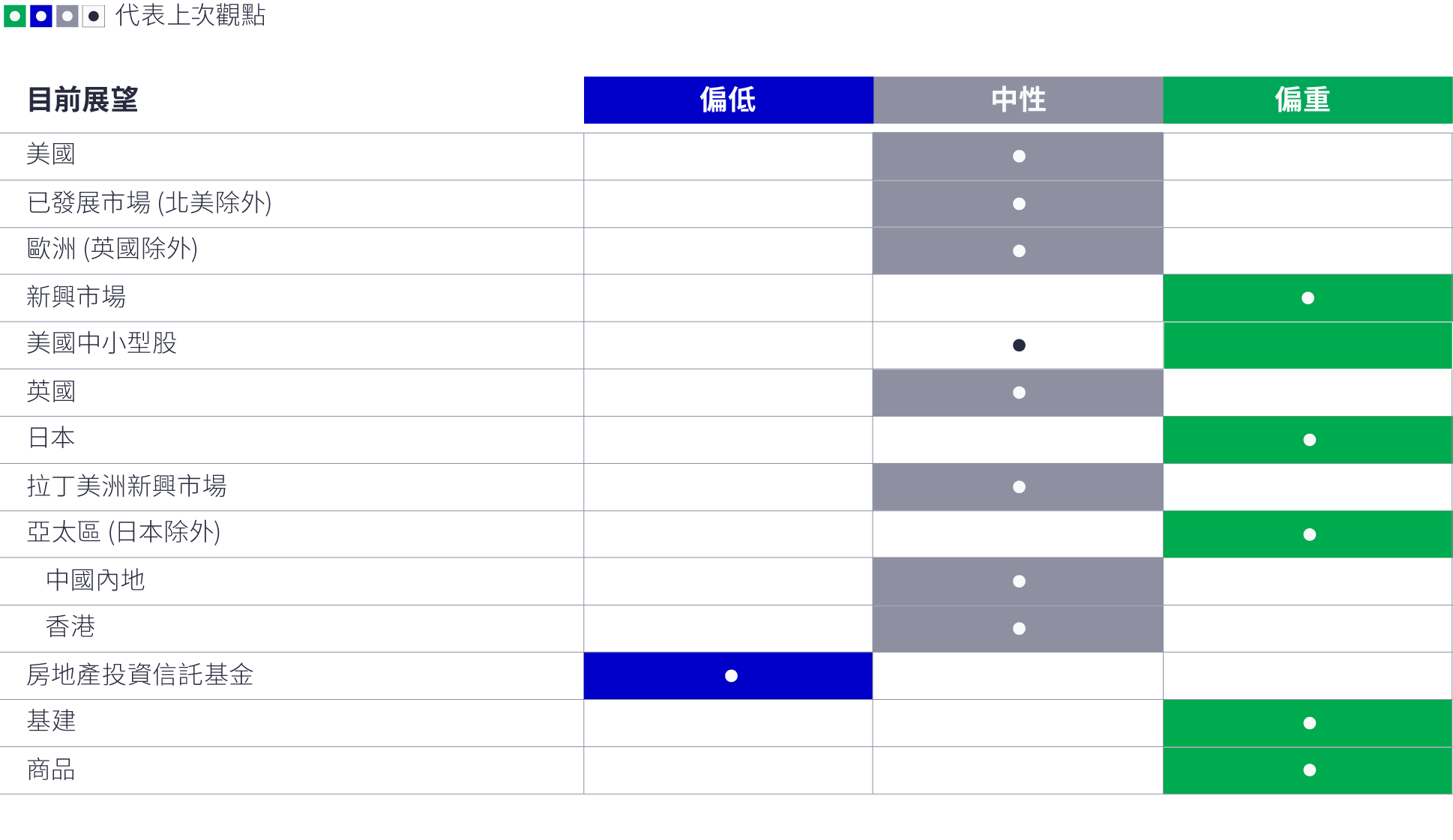
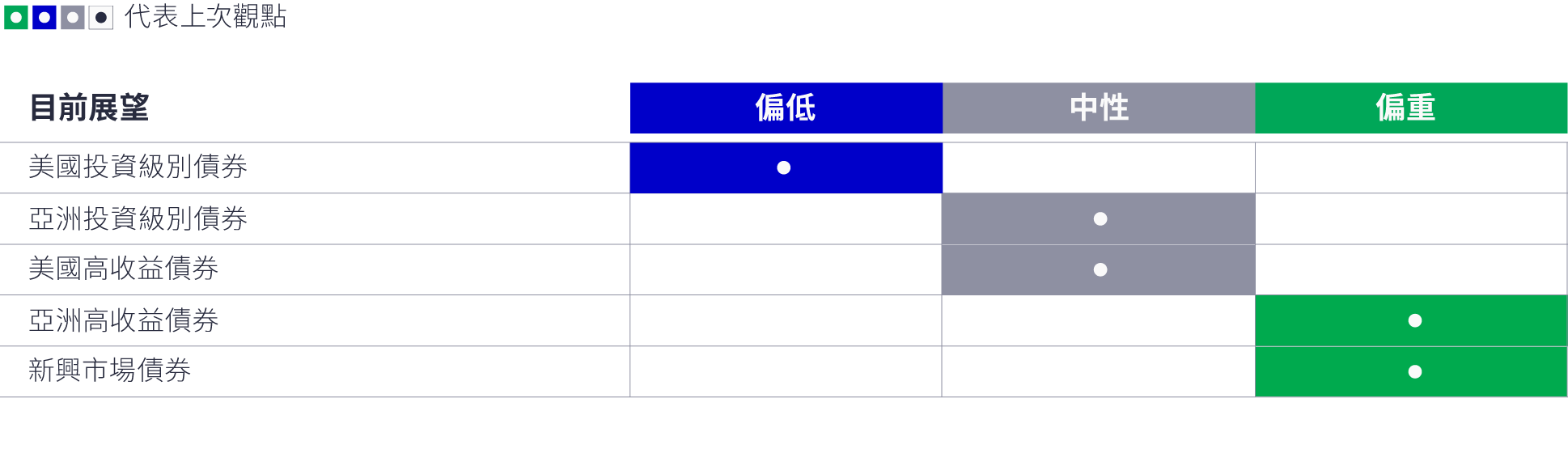
Commodities can help diversify and protect against inflation. Despite slower global growth, supply constraints and long-term trends, like electrification and renewable energy, keep the outlook positive. We favour base metals—especially copper and aluminum—alongside gold, as they're essential for the energy transition and infrastructure development.
Global copper supply remains tight due to mining disruptions and few new projects. In China—the world’s largest smelting hub—record low processing fees highlight a shortage of copper concentrate and intense competition among smelters. Recent policies aimed at curbing excess capacity could further restrict supply growth.
Copper demand is supported by China’s stimulus and focus on high-tech and green manufacturing, which will lift consumption, as well as growing global electrification and renewable energy projects. Emerging technologies like data centers and AI aid support. With demand expected to outpace supply into 2026, copper remains an attractive long-term opportunity.
Copper benefits from near-term tailwinds, including a weaker US dollar and targeted infrastructure and energy transition spending that's driving demand despite slowing global growth. However, risks remain: a sharper economic deceleration could hurt industrial activity, and renewed tariff uncertainty or trade tensions may disrupt supply and demand dynamics.
Copper treatment charges at record lows4
Driving upward pressure on copper prices

1 Source: Manulife Investment Management, 31 December, 2025. Projections or other forward-looking statements regarding future events, targets, management discipline or other expectations are only current as of the date indicated. There is no assurance that such events will occur, and if they were to occur, the result may be significantly different than that shown here. No forecasts are guaranteed. These views are updated on a quarterly basis. This commentary is provided for informational purposes only and is not an endorsement of any security, mutual fund, sector, or index. Diversification does not guarantee a profit or eliminate the risk of a loss.
2 Source: Multi-Asset Solutions Team (MAST), as of 31 December 2025. Projections or other forward-looking statements regarding future events, targets, management discipline or other expectations are only current as of the date indicated. There is no assurance that such events will occur, and if they were to occur, the result may be significantly different than that shown here. Information about asset allocation view is as of issue date and may vary. Active asset allocation views will be updated on a quarterly basis.
3 Source: Multi-Asset Solutions Team (MAST), as of 31 December 2025. Projections or other forward-looking statements regarding future events, targets, management discipline or other expectations are only current as of the date indicated. There is no assurance that such events will occur, and if they were to occur, the result may be significantly different than that shown here.
4 Source: Bloomberg, Macrobond, Manulife Investment Management, as of 26 November 2025. TC refers to treatment charge, a fee paid by miners to smelters for processing copper concentrate into refined copper. 25% indicates the copper content in the concentrate. CIF refers to Cost, Insurance, and Freight, specifying that the seller covers these costs to deliver the goods to a port.